

There was a time when the mind could feel calm without effort. You’d finish a task, the room would quiet down, and your mind would follow. You closed your notebook, looked up, and felt something inside relax. Thoughts didn’t pull at you all at once. You focused on one thing at a time, followed the steps, and finished with clarity and calm.
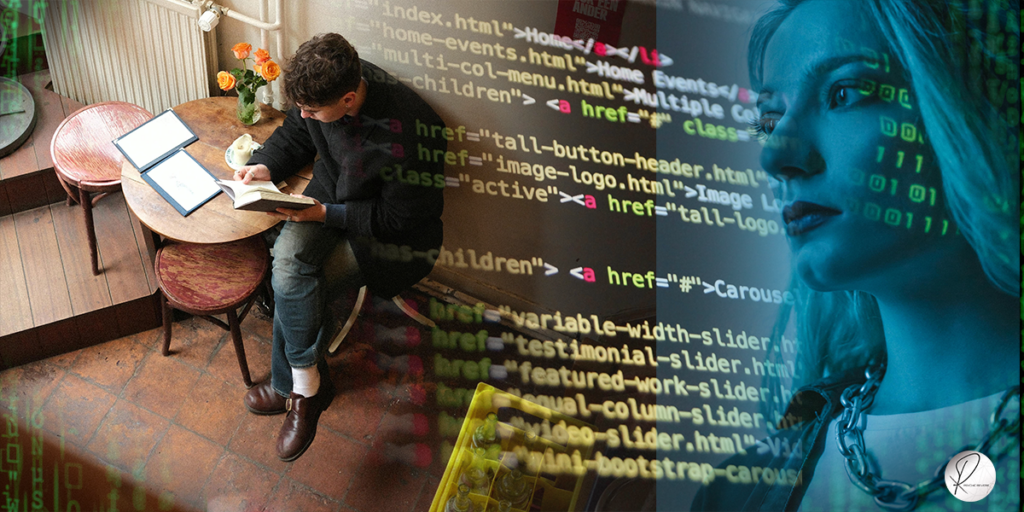
Now, even after the day technically ends, the mind often keeps going. What has changed? Is it knowledge, too much information, or our ability to multitask?
A message goes unanswered. While working on one task, an old thought pops up. You start one thing, remember another, and suddenly, several tasks remain unfinished, some you don’t even remember. Your mind ends up carrying more than the moment really needs.
No wonder so many of us feel worn out, even if we can’t name one clear reason.
Mental Fatigue Comes From Small, Repeated Efforts
Exhaustion doesn’t always come from one heavy burden. Often, it comes from many small things, all asking the mind to stay present at once.
Rewriting the same message several times. Trying to summarize too much information. Remembering details while staying focused. Keeping track of what still needs to be done while working on something else.
Each of these feels minor on its own, but repeated often, they slowly consume attention.
This is why thoughtful users often turn to AI, not for big tasks, but for the small, invisible ones. A first draft becomes easier. A long note becomes shorter. A scattered plan becomes readable. Tools like Otter.ai capture spoken details during meetings, allowing people to stay present without losing track. Clarity improves simply because the mind no longer tries to hold everything at once.
How AI Helps Organize Thoughts
AI isn’t just about giving answers. Its quiet value is that it helps people organize what is already in their minds.
A rough thought becomes clearer when written out. A scattered idea begins to take shape when reflected in organized language. You may already know what you want to say, but not know how to hold it still.
Technology helps structure those thoughts before they disappear into mental noise. For many, this is a quiet relief. Something unfinished becomes visible. Once visible, it often feels lighter.
Safe Space for Unfinished Thinking
One reason people return to AI again and again is that it allows unfinished thinking without social pressure. You can explain badly. Pause halfway. Ask again. Start over. There’s no need to sound fully formed.
In real life, that matters more than people admit. Often the hardest part of confusion isn’t confusion itself, it’s feeling you should already be clearer than you are. Technology doesn’t react emotionally to repetition. It doesn’t get impatient with incomplete thoughts. That calm neutrality gives space to understand yourself more honestly.
Mental Clarity Isn’t Just About Tasks
Clarity isn’t only about completing tasks. It’s also about having a safe space to slow down thoughts before they become heavier. Tools like Wysa and Woebot help people reflect quietly before talking to someone else.
A thought can be named. A stress pattern can be noticed. A feeling becomes easier to understand when asked about calmly. Often, people don’t need solutions first, they need language for what they are carrying.
The Body Notices Stress First
Stress often builds quietly, before the mind notices. Sleep becomes lighter. Recovery slows down. The heart may stay slightly elevated even at rest.
Devices like Oura Ring and Muse help people see these patterns early. Not every week feels dramatic while living through it. But repeated small signals reveal stress before words do. Recognizing it early protects peace more than trying to recover later.
From Mindfulness to AI: How Personal Growth Is Evolving in 2026
Mindfulness That Fits Real Life
Traditional mindfulness can feel difficult, not because it lacks value, but because life rarely stays still enough to practice it perfectly.
Platforms like Headspace and Calm now adapt to your habits, timing, and emotional state:
- Shorter sessions when attention is low
- Slower breathing after poor sleep
- Softer approaches when the mind is overstimulated
Mindfulness becomes practical, not idealistic. Peace begins when something fits the reality of daily life.
Read Best free tool with all tools in one place
Best free AI tool websites transforming life and work in 2026

Thoughtful Use of AI
The people using AI best usually do it quietly. They remove repetitive effort from part of their day so attention can focus on what matters, don’t automate every thought, or use every tool. They simply know where mental energy shouldn’t be wasted.
Too much technology can become another source of noise. Clarity disappears if tools themselves constantly interrupt.
What Technology Cannot Do
AI can organize information, shorten work, and hold structure. But it cannot replace personal meaning. Only a person can decide which thoughts matter. Silence and peace still require intention.
That’s why the healthiest AI users don’t stay connected all the time. They use it briefly, then step away before their minds get crowded again.
Read posts
The Real Value of AI
AI’s most valuable role may not be making people faster. It’s helping them carry less mental weight. Many aren’t searching for more information, they’re searching for space inside their own attention.
Sometimes clarity begins simply, when something stops asking the mind to hold everything alone.
Recommended Tools for Focus, Reading, and Writing
Here are some reliable and highly-rated tools for clarity, organization, and mental focus:
Thought & Writing Support
- ChatGPT (OpenAI): Organize ideas, draft text, clarify scattered thoughts.
- Claude (Anthropic): Good for long writing tasks and deeper reasoning.
- Google Gemini: Research and context understanding across multiple types of content.
Productivity & Organization
- Microsoft Copilot:Write, plan, summarize meetings, and automate routine tasks.
- Otter.ai: Transcribes meetings and spoken ideas to help you stay present.
- Todoist + AI: Track unfinished tasks without cluttering your mind.
Reflection & Focus
- Wysa & Woebot: Reflective tools for understanding feelings and stress.
- Oura Ring & Muse: Track stress through sleep, heart rate, and recovery patterns.


