

“Discipline is choosing between what you want now and what you want most.”
Abraham Lincoln
There are days when you sit down with a book, open your laptop, or look at your to-do list, and nothing inside pushes you forward. The question creeps in:
"How can I be motivated if I don’t feel like having any at all?"
The truth is, motivation doesn’t always show up first. More often, it comes after you’ve already taken a step. What feels like “no motivation” is usually just tiredness, feeling overwhelmed, or forgetting the deeper reason behind what you’re doing, And remember, feeling unmotivated doesn’t make you lazy; it makes you human.
. Motivation lives in the mind, but discipline, the steady effort you repeat day after day, flows through your veins and keeps you moving forward.
The good news? Studying without motivation is not only possible, but sometimes it’s the most important kind of progress you’ll ever make. Let’s explore how to shift from resistance to gentle focus, step by step.

Motivation in Studies and Life: Finding Your “Why”
When you’re truly invested in something, time slips by without you even noticing. Think of your subject as a mission, an exploration of facts that only you can decode. Try to understand not just what’s being taught, but why it matters, and you’ll find yourself drawn deeper into the study
Clarify Your Personal Reason for Studying
Studying feels like punishment when it lacks meaning. Ask yourself:
Why am I studying this subject?
Is it to build your dream career, secure financial freedom, or gain respect in your field? Neuroscience research shows that when tasks are connected to personal meaning, the brain releases dopamine, the motivation hormone. The clearer your “why,” the stronger your drive.
Break It Into Small, Achievable Wins (Micro-Steps)
Telling yourself to “study for 5 hours” feels overwhelming. But “study for 20 minutes” feels manageable. Psychology explains this through the Zeigarnik Effect: our brains remember incomplete tasks and feel a natural pull to come back and finish them. That’s why starting small matters.
Read one page. Review one flashcard. Solve one equation. Once you begin, your brain wants to continue. Small steps create progress, progress builds momentum, and momentum often awakens motivation
The Science of Habit and Focus
Research in neuroscience shows that the brain forms strong connections between cues, actions, and outcomes, a process known as classical conditioning. When a behavior is repeated consistently, it becomes encoded in the basal ganglia, the part of the brain responsible for habit formation. Over time, habits require less conscious effort, reducing resistance and conserving mental energy. This explains why consistent, structured study sessions strengthen focus, even when motivation is low.
Link Effort to Long-Term Rewards
![The Stanford marshmallow experiment was a study on delayed gratification in 1970 led by psychologist Walter Mischel, a professor at Stanford University.[1] In this study, a child was offered a choice between one small but immediate reward, or two small rewards if they waited for a period of time. During this time, the researcher left the child in a room with a single marshmallow for about 15 minutes and then returned. If they did not eat the marshmallow, the reward was either another marshmallow or pretzel stick, depending on the child's preference. In follow-up studies, the researchers found that children who were able to wait longer for the preferred rewards tended to have better life outcomes,](https://psychicreverie.com/wp-content/uploads/2025/09/1280px-Marshmallows-1024x472.webp)
Every study session isn’t only about passing exams, it’s about what comes after. Studies on delayed gratification, like the well-known Stanford Marshmallow Experiment, show that people who can wait for bigger rewards often achieve more in life. When you choose to focus today, you’re not just preparing for a test, you’re investing in your future freedom, success, and stability.
Reframe Failure as Feedback
Fear of failure kills motivation. Instead, treat failure as proof of effort. Psychologist Carol Dweck’s Growth Mindset Theory shows students who see failure as learning perform better. Replace “I failed” with “I practiced.” Each attempt plants seeds for mastery.
The Power of … Yet
In her TED Talk, Carol Dweck explains that when we face a challenge just beyond our current ability, we have two choices in how we see it. This space where things feel a little difficult but not impossible, is exactly where growth happens. It’s the foundation of what experts call deliberate practice. At that moment, your mindset matters most: do you believe you’re simply not smart enough to solve it, or do you remind yourself, “I just haven’t solved it yet”?
Training Your Brain
Redefine Motivation as Action
Most people wait for motivation before starting. But research on behavioral activation shows action creates motivation, not the other way around. Do one small task, send one email, walk for five minutes, or write one line. Action sparks energy.
Discipline Over Inspiration
Motivational videos give temporary energy, but discipline sustains progress. Discipline is not about pressure, it’s about systems. Build a schedule, set accountability, and create routines. Systems are stronger than feelings.
Visualize the End Result
Visualization isn’t just imagination, it’s mental rehearsal. Athletes use it to build endurance, and you can too. Picture yourself finishing a degree, giving a presentation, or reaching your health goals. The brain often reacts to imagined success as if it’s real, wiring you for action.
Shift from “Why Me?” to “What Now?”
Life brings setbacks. But instead of asking “Why me?” ask “What now?” This reframing transforms problems into opportunities. Psychology calls it cognitive reappraisal, changing how you see a challenge shifts how you respond to it.
Why Am I Suddenly Sick? Finding Gratitude in Early Awareness
Train Your Brain With Self-Talk
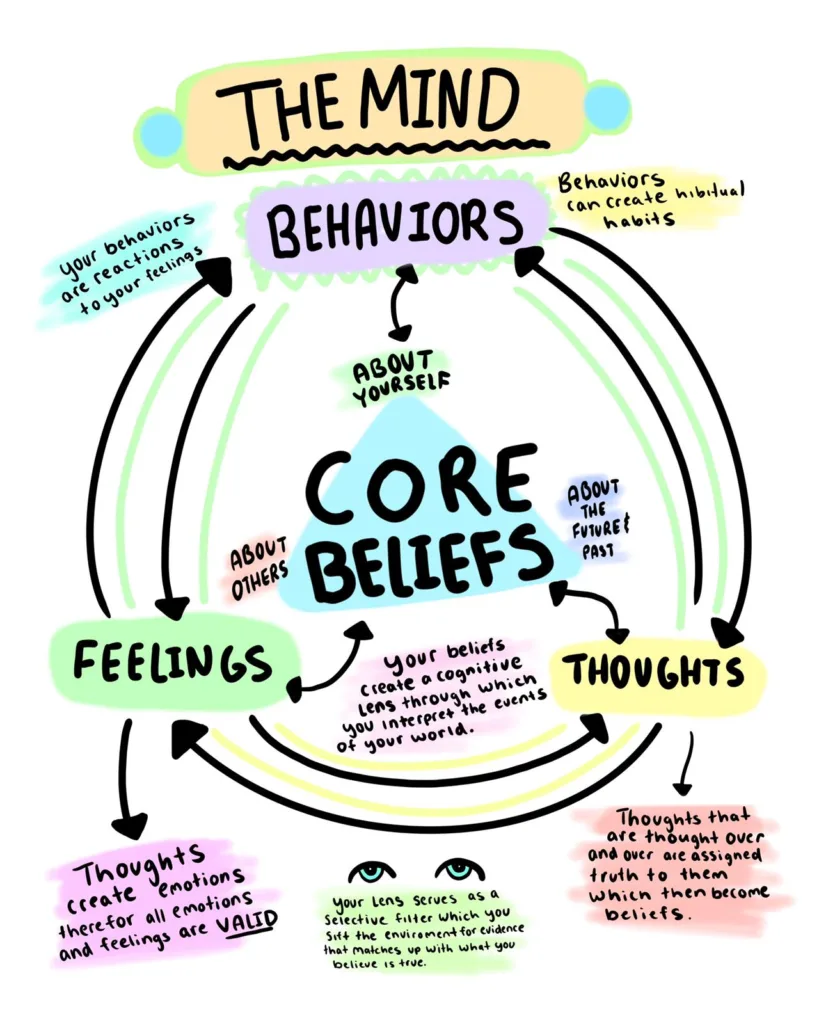
Your brain listens to how you speak to yourself. Cognitive-behavioral therapy (CBT) shows positive self-talk reduces stress and improves performance. Replace “I can’t” with “I’ll try one step.” Over time, your mind begins to believe you.
Celebrate Small Progress
Motivation thrives on recognition. Reward yourself for every small effort: completing one page, attending a workout, or showing up. Small wins release dopamine, reinforcing consistency. Success isn’t built on one big win, but on hundreds of tiny steps.
Real-Life Example: Thomas Edison’s Relentless Persistence
Thomas Edison, inventor of the light bulb, failed thousands of times before success. When asked about his failures, he replied, “I have not failed. I’ve just found 10,000 ways that won’t work.” His discipline, not fleeting bursts of motivation, created history.
Who Was Thomas Edison?
Thomas Edison was an American inventor, entrepreneur, and one of the most influential figures of the Industrial Revolution. Rising from modest beginnings, he went on to create groundbreaking technologies that shaped modern life, most famously the first commercially practical incandescent light bulb. Beyond his inventions, Edison played a key role in driving America’s economic growth and industrial progress, leaving behind a legacy as both an innovator and a visionary businessman.
Like Edison, you don’t need to feel motivated every day. You just need to act, train your brain, and stay disciplined.
Final Thought: Building Motivation From Within
So, how can you be motivated if you don’t feel like having any? The answer lies in clarity, micro-actions, and discipline. Motivation isn’t always loud or exciting, it’s often quiet, steady, and born from purpose.
Don’t wait for motivation to knock. Build it through small steps, connect it to your bigger “why,” and let discipline carry you when feelings fade. Because the clearer the reason, the stronger the passion and the easier it becomes to keep going, even when you don’t feel like it.
What about you?
What’s the smallest action you take when motivation is missing? Share it below, your step might inspire someone else’s journey.


