

"An unexamined life is not worth living..." Socrates
And the same goes for studying. An unexamined Study Process is a missed opportunity for growth.
We often focus on what to study, chapter, subjects, notes, but rarely on how we study. Yet, the difference between top students and average learners often lies not in the number of hours they study, but in how effectively they reflect on their process and refine it over time.
If you have ever wondered why your grades no longer improve, despite your efforts, or why you keep forgetting what you study, the missing ingredient might be reflection.
Why Reflection Matters In Learning
Reflection means stepping back and ask,
"What worked, what didn't, and what can I do to improve?"
It transforms learning from a routine into skill. When you reflect:
- You move from passive repetition to active improvement.
- You recognize your strength and blind spots.
- You stop wasting time on methods that don't serve you.
- Educational psychology research shows that students who reflect regularly perform significance better, not because they study more, but because they learn smarter.
The Psychology Behind Reflective learning
According to Donald Schon's theory of reflective practice, true growth happens when learners consciously analyze their experiences and adjust accordingly. This align with the kolb learning cycle, which includes four key stages:
- Concrete Experience (Feeling): Learning begins with doing something new or trying a familiar task in a different way, It's about getting hands-on experience.
- Reflective Observation (Watching): After the activity, you take a step back to think about what happened. You observe your action or other's and note what worked and what didn't
- Abstract Conceptualization (Thinking): Next, you connect what you learned with your existing knowledge. You think about why things happened and form new ideas or concepts from the experience.
- Active Experimentation (Doing): Final, You test your ideas by applying them in real life situations. This leads to new experiences and starts the learning cycle again.
By continuously cycling through these stages, your brain builds stronger neutral pathways, making future learning faster and more intuitive.
How to reflect on your own study process
Question yourself: Be curious, ask yourself after every study session or exam
- What went well, what did I gain from it?
- What distracted me, What are my weak points, and what made it difficult for me to remember things?
- Did I understand concepts or just memorize them?
- Which study techniques helped me remember the most?
- How did my energy and focus feel?
Find Your Learning Style
It might take a bit of time to figure out what study methods work best for you. There are a variety of ways to test your knowledge beyond simply reviewing.
Schwab recommends trying different strategies through the process of metacognition. Metacognition involves thinking about your own cognitive processes and can help you figure out what study methods are most effective for you.
Keep a "study reflective journal"
Dedicate a notebook or digital document where you record:
- Study hours and methods used
- Topics Covered
- Feeling during study
- Micro progress
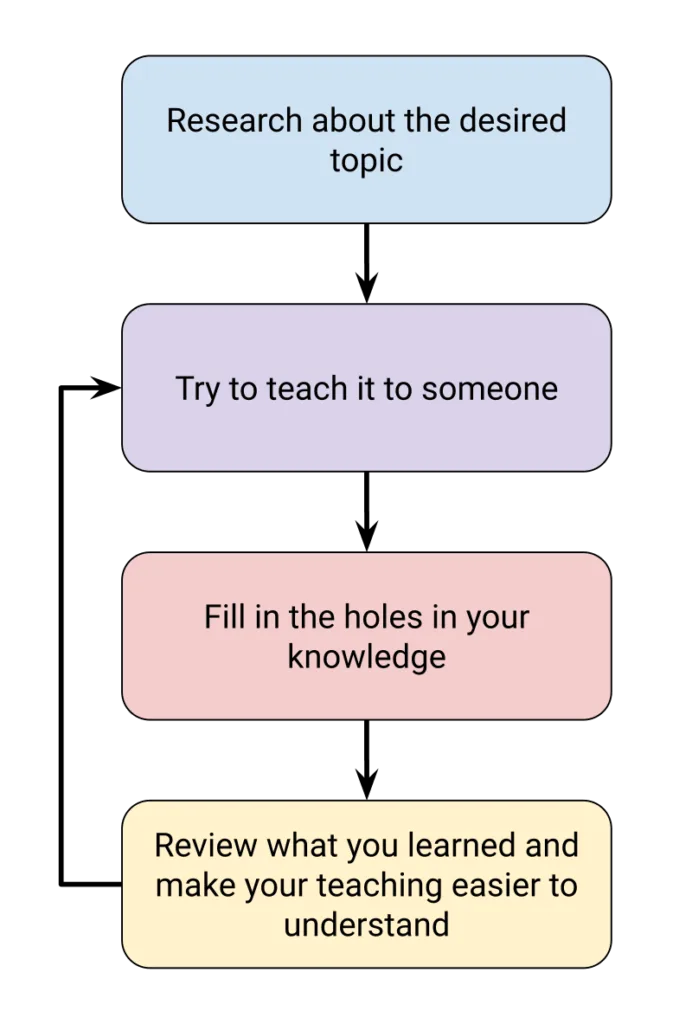
Try The "Feynman Reflection Technique"
One of the most powerful reflective tools is the Feynman technique, inspired by Nobel Prize winning physicist Richard Feynman.
And what is the Feynman Technique?
- Choose a concept or topic you have studied or learned.
- Explain it aloud in simple language as if teaching a child, this is an effective method, you will learn faster.
- Identify where you hesitate, that's where your understanding is weak.
- Then relearn that part and repeat until you are satisfied.
Review Weekly And Monthly
Always try to reflect and review your topic in detail when you are relaxed and free from mental pressure, that's when we tend to understand more clearly.
- Weekly reflection: Notes and flashcards, note what method or technique worked better this week.
- Monthly Reflection: Assess your emotional and academic growth.
The Power Of Self Awareness In Study Growth
Self awareness turns the average students into lifelong learners. When you know how you learn, you stop comparing yourself to others. You focus on what truly benefits the mind, energy, and motivation. Reflective learners always learn faster, with less effort, and adapt better to new subjects.
Tools To Support Reflective Study
Reflection and practice become more effective when supported by right tools, whether written, visuals, digital, or interpersonal. These tools help you organize your thoughts, track your learning journey, and develop a deeper understanding.
1. Online Tutoring And Reflective Learning Platforms
For students who prefer guided learning or want structured feedback, online tutoring platforms can be powerful tools for reflection and growth. These platforms connect learners with professional tutors, enabling real time discussion, progress tracking, and personalized study strategies.
- Preply: A global tutoring platform that connects students with skilled tutor from around the world for personalized lessons, guidance, and feedback tailored to your learning goals.
As a reader of Psychic Reverie, you can enjoy 30% off on Preply through my exclusive link, it's a great way to connect with expert tutors from across the globe and learn in a way to connect with expert tutors from across the globe. You will get 30% discount on every lesson.
- Cambly: Ideal for language learners, it allows casual yet structured conversations that promote reflection through real time interaction.
2. Digital tools:
- Note taking and writing apps: Tools like Google Docs, Evernote, or Microsoft Onenote allow you to write, organize, and even add Images and links to enrich your reflections.
- Blogs: You can use a blog, public or private, to document your learning progress and thoughts over time.
- Forms: Tools like Google Forms are great for structured reflections and self assessment, especially when tracking over time.
- Notion or Evernote: For structured reflective notes and tracking patterns
- Google Calendars: To schedule weekly or monthly reflection time.
Final Thoughts
Growth Is A Continuous Cycle
Reflection is the secret ingredient that turns efforts into excellence. Every great learner from scientist to artist improves not by doing more, but by thinking deeper about what they do. Doing smart work will make you progress faster.
"Success is not in never failing, but in rising and refining after every fall."


